
Rolling Performance in the Cosmere RPG
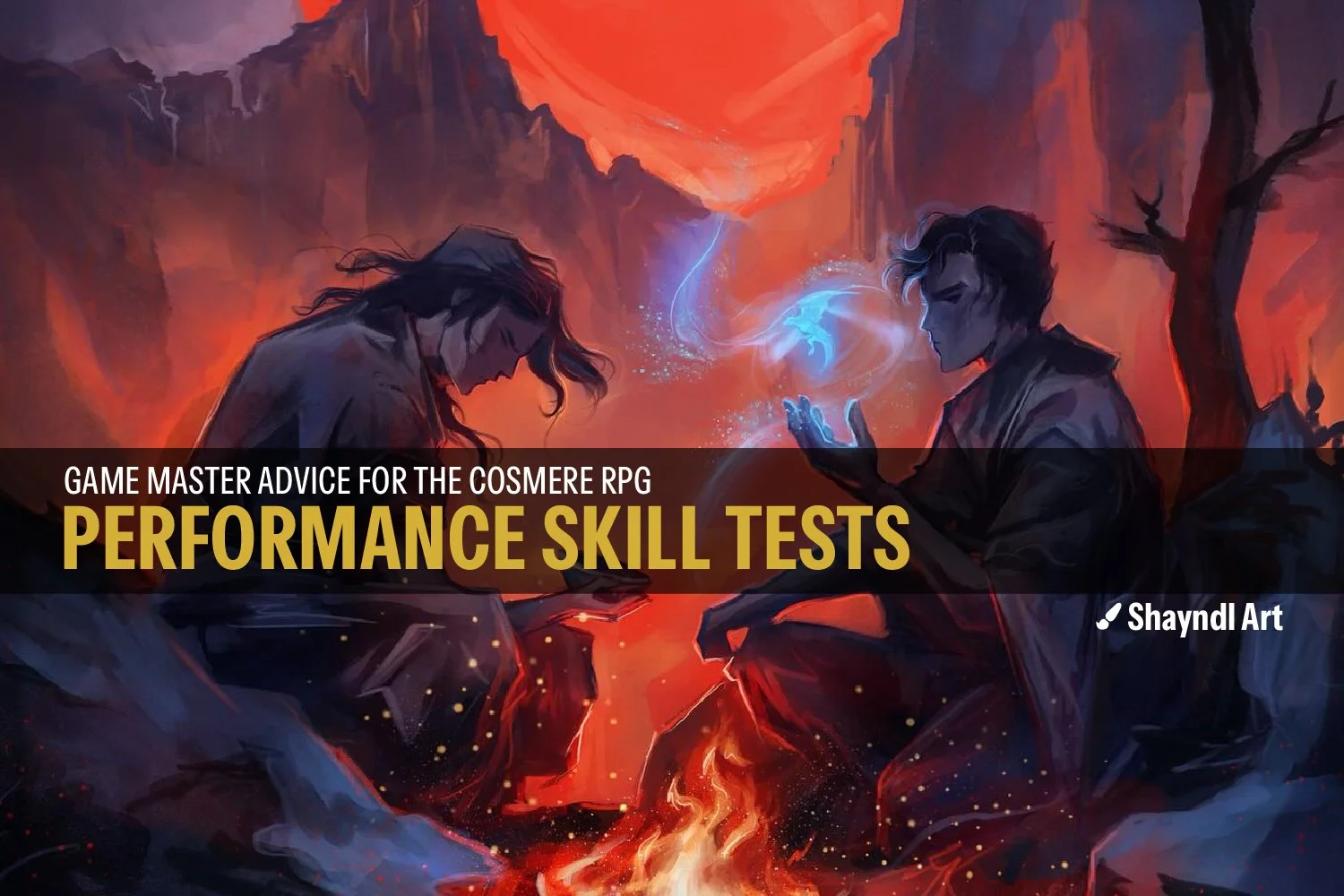
There was a question asked on the Cosmere RPG subreddit recently: what skill test could replace rolling Performance? The question-asking Game Master had a player who wanted to play a traveling magician and had been struggling to find a consistent skill test, since the Cosmere RPG and the Plotweaver system in general lacks this skill.
For those unfamiliar with the concept of Performance as a skill test, systems like 5th edition Dungeon and Dragons and Pathfinder have a Charisma-based skill that can be used to test a character's ability to perform or entertain. Is your bard performing to earn the party cheap drinks and roof over their head for the night? Test Performance.
But what if your players want to earn a few spheres while spending a night at their local stormbunker? What skill test should you use to represent not only their abilities, but how the crowd might be moved to by the performance? It’s a good question.
In terms of official rules, performing is mentioned several times throughout the book, each being in context of some other skill, item, or expertise. We’ll draw from this when necessary, but more guidance is needed.
Let’s explore a few different options, but first, an important topic. If you want to skip the lecture, scroll down to the “My Table” section for a simplified approach.
Consistency
A critical element to the success of any table top RPG session is consistent and reliable rules. Most players will tend towards thinking about their characters, at least in part, as the numbers on their character sheet, and will spend some thought towards building out their skill sets to fit the playstyle they are after. If your interpretation of the rules doesn’t match the way they’ve built their character… well that can be a frustrating experience on both ends.
This is all to say that if your player built their character around Thievery for their slight of hand street magic, but see the skill test as needing Deception instead, there's bound to be frustrations on both sides of the table.
Similarly frustrating would be if during one session you determine that a juggling act would be an agility test, but in the next determine that the situation feels more like a feat of athletics.
The key is to consistently approach these tests each time you're at the table, and gain agreement in the approach from the players in your party.
Tip for new Game Masters
Discuss what your players want to do with their characters frequently. It can be a huge bummer for an enthusiastic player who comes to a session with a grand idea, only to find they’ll actually need to roll a different skill test or use more resources than they were expecting. When possible, talk through these things ahead of time to save frustration during sessions.
Intent
My answer on the subreddit thread boiled down to intent: based on what your player is trying to do with their performance, roll the skill test that best matches that situation.
On reflection, I don’t really think that’s clear enough, but the spirit is there. What this boils down to is ensuring that your player’s desired effect happens, and that they test the appropriate skill to match that. Are they trying to inspire the crowd, or trick their own eyes with a feat of magic? Are they trying to move their emotions, or distract them from their troubles?
We can do a lot with a combination of skills, items, and expertise to make performance more than a simple one off roll, and make it an engaging part of your player’s character design.
I will borrow from some of the recommendations made in the thread, and add additional context where it’s helpful.
Performance vs. influence
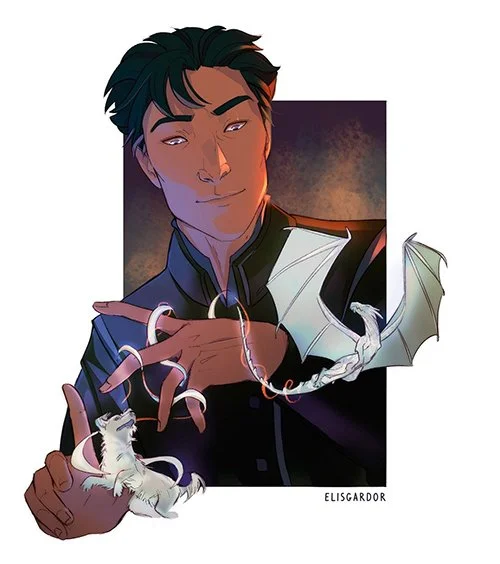
The core of intent becomes what your player is actually trying to do.
If they are simply testing their skill in a particular form of entertainment or ability, I would tend to pick a skill that represents the physical requirements of that performance.
If their intent is to change the emotions or otherwise influence a target, you could think about it a few different ways:
A character might have expertise in that type of performance, at which point they could use that to gain advantage on a skill test using the intended effect, like Intimidation, Leadership, or Persuasion.
I might make a character without expertise roll twice: once for the performance, rolling a test for how well they do their performance, then again for how well their manipulation of their target works. One affects the other - an absolute dud of a performance with a drum might require an extra high roll of intimidation to scare off an attacking axehound, but drunkenly singing your heart out a tavern may more easily move the crowd to buy you another round.
If your player is trying to use a performance to aid another player, simply test the skill that represents the physical requirement, and leave the manipulation to the player conducting the primary action.
Expertise
Expertise is the core of my recommendation here, as it centers around having the broad sense of experience and knowledge of an art or ability that a skill test doesn’t exactly represent. For example, if a regular person was attempting to sing an inspiring ballad and rolled a 2, the result would be far less impressive than the same roll from a classic trained artist.
Expertise in a given form of entertainment is the most straightforward path to provide to your players who want to have performing be a cornerstone of their character.
On the surface level, having expertise in a given form of entertainment provides some key benefits. These aren’t mandatory, but how I do things, so grain of salt.
Assumed skill
Having expertise in a form of entertainment makes it so the player has a generally lower threshold for failure than those without. A failed persuasion test singing to a tavern to earn you a round of free drinks wouldn’t earn the hostility of the crowd, more it would just be an average performance that didn’t move anyone to generosity. Lacking the expertise might have spurred ridicule or mockery from the crowd.
Talk the talk
When meeting with other performers, or attempting to get work plying their trade, players will be able pull industry knowledge or other key details about the trade without issue. This could be knowing the expectations of a master servant when trying to gain work at the party of the local highprince, or chatting with a fellow musician at a tavern, without the need of rolling a skill test.
Gain advantage
When attempting a performance outside of combat, I would automatically apply advantage to their roll when drawing from their expertise during a skill test.
In combat they can use their expertise as a means to gain advantage on a future test, assuming it's related to their ability to perform.
A final note on expertise, I think this is an area where it is safe to provide a broader definition of expertise, within reason. For example, saying you have an expertise as a “musician” wouldn’t cover every instrument and form of music, but I would allow for one or two areas, depending on how they earned said expertise. Within that expertise however, their knowledge would be broad: someone who is an expert in the drums would know several types of drums, how to maintain the instruments, sync up with a larger band, and could improvise a drum with basic materials if needed.
Items
On the topic of instruments, the rulebook does have specific guidance for musical instruments. In chapter 7 of the Stormlight Handbook, page 259, they recommend that playing a musical instrument be tested with the skill that most relates to the instrument:
Agility for stringed instruments
Athletics for drums
Discipline for instruments with keys
Having expertise in the instrument, as I mentioned above, automatically grants advantage.
This is a great way to test the skill in the instrument, but I would again draw back to the idea of the intent of your player. If they are truly testing their skill in the instrument, use this method. If they are trying to manipulate the target of the performance, you might consider a different skill test altogether.
If your player doesn’t have expertise with a given instrument, I would have them roll the normal test for a crowd of commoners, and roll with disadvantage for a crowd of higher society types, or a crowd with high expectations. I like this over setting a high skill cap because it gives more opportunity to succeed, especially at lower levels. A successful performance won’t make them a star, but it won’t get them kicked out either.
Remember, consistency is important here: work with your player to determine how they want to build their character around a musical instrument and come up with a plan.
Skills
Skills are the way most players will eventually end up performing, but which skill you choose will be based on the mechanics of performance. Not every skill will have a performance that matches it. Remember: consistency and character design matter here, so use these as ideas and work with your player to find the roll that best matches the situation.
Agility (Speed)
Performances that require quick movements, flexibility, or finesse. Some performance examples might be:
Tumbling or acrobatic feats
Stringed instruments
Dancing
Sports
You could also argue some applications would better fit Athletics.
Crafting (Intellect)
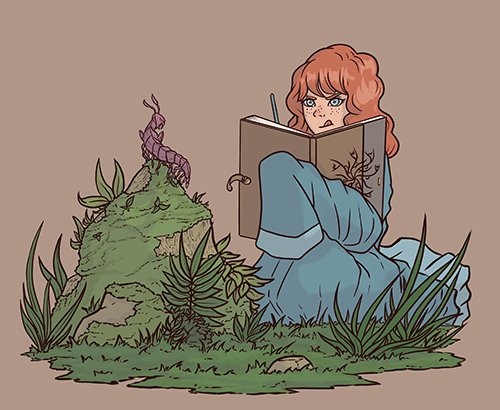
Performance that involves the creation of art through a physical medium. Some performance examples might be:
Drawing
Painting
Calligraphy
The creation of glyphs
Sculpture
Deception (Presence)
When the performance involves misdirection or tricks of perception, test Deception. Some performance examples might be:
Street magic
Misdirection
Illusion
Some forms of street magic may fall into the ‘slight of hand’ category, at which point you might want to roll Thievary.
Deduction (Intellect)
Though it may not be considered a performance per se, you might apply a Deduction test when the application requires logic or a sharp wit. Some performance examples might be:
Insults
Banter
Debate
Rhetoric
You could also argue some applications would better fit Lore.
Discipline (Willpower)
Performances that require the display of emotion or composure. Some performance examples might be:
Acting
Singing
Storytelling or oration
Interpretive dance
Heavy (Strength) or Light (Speed) weaponry

Performances that require the use of a weapon that are tied to that weapon’s type. Consider the traits of that weapon as it applies to how that weapon might be handled during the performance. Some performance examples might be:
Kata
A display of technique or finesse with a weapon, like twirling a dagger
Sports that involve weapons, like archery or darts
Intimidation (Willpower)
When the intent of the performance is set to scare, disrupt, or otherwise strike fear into the heart of your opponent. Some performance examples might be:
Playing drums to intimidate an enemy force
A display of skill with a weapon to make an enemy think twice before attacking you
A taunt or threat
Persuasion (Presence)
When the performance is designed to impress, awe, or otherwise move the audience, roll Persuasion. Some performance examples might be:
Singing to move a crowd towards an action or emotion
A band attempting to pump up a crowd
Telling a compelling story to teach a moral
Thievery (Speed)
When a performance calls for dexterous sleight of hand, or the clever manipulation of honest folk out of their hard earned spheres, test Thievary. Some performance examples might be:
Card tricks
Scamming street magic
Games of chance
Illumination

For your Lightweaver and Truthwatcher players, the surge of Illumination might become integral to their performances, weaving in dazzling displays or lights, sounds, and illusions to amplify their performance.
The simplest application of Illumination would be to grant advantage on a performance, enhancing their performance.
Those with an expertise in their performing art can become otherworldly in their talent when paired with Illumination. Imagine a singer who can amplify their performance with harmonizing backup vocals, or an actor whose body morphs into the character they portray.
In hard game mechanics, I would apply this as a lower threshold for success, but an ample opportunity to exceed expectations. A skill check to perform for a commoner would become trivial, and the payoff for highly successful rolls would be enhanced due to the impressiveness of the performance.
If performing is critical to your player character, consider allowing them to add their Illumination skill to a performance-themed skill test, provided they are willing and able to spend the appropriate investiture.
My table
Ok so that is a lot to digest. What this really boils down to is that how you handle performance rolls at your table is entirely up to you, and you have plenty of options. No matter what you choose, you can’t go wrong if you’re checking with your players and make a choice that is agreed upon by everyone in your group. Consistency is key.
That being said, here is what I do at my table:
Without expertise, players have to roll the corresponding skill test I choose for the given performance. This amounts to a beginner level competence - good enough for a late night in a tavern, but wouldn’t do much in a high prince’s feast hall.
With expertise, players can enhance performances with persuasion, intimidation, and the like. They’ll roll with advantage on the performance. Normal tests of skill for the performing art itself have advantage and a very low threshold for success.
I work with players who want to focus on performing arts as a part of their character, and determine the specifics of how their expertise interacts with skills and surges.
Those with the surge of Illumination can add that skill’s modifier to their rolls.
For more game master advice, check out my YouTube channel and subscribe to my free newsletter.
